

Christianity
Founder: Jesus of Nazareth (central figure); early leaders include Peter and Paul
Time & Place of Origin: 1st century CE, Roman Judea
Approximate Number of Followers: 2.3 billion
Core Texts:
The Bible
Old Testament (shared with Judaism, in Christian form)
New Testament (Gospels, Acts, Revelation)
Core Beliefs (General)
God exits and is the creator of the universe
Jesus is the Messiah; most Christians believe he is Devine
Jesus was crucified and resurrected
Salvation is possible though Jesus
Moral authority is grounded in God’s will as revealed though scripture
*Note: Christianity is internally diverse. These beliefs represent broad consensus, not universal agreement.
Origin Story
Christianity began as a Jewish movement centered on Jesus of Nazareth, a Galilean preacher who proclaimed the coming of the “Kingdom of God.” After his crucifixion by Roman authorities (c.30 - 33 CE), followers claimed he rose from the dead. These resurrection claims became the foundation of religion.
Early Christianity spread though missionary activity, especially by Paul of Tarsus, and gradually separated from second Temple Judaism.
Major Schisms & Denominations
Great Schism (1054): Split between Roman Catholicism and Eastern Orthodoxy
Protestant Reformation (16th century): Emergence of Protestant traditions rejecting papal authority
Today includes thousands of denominations with differing doctrines on authority, salvation, sacraments, and scripture
Key Historical Moments
313 CE: Legalization of Christianity under Constantine
325 CE: Council of Nicaea (Trinity doctrine formalized)
380 CE: Christianity becomes Roman state religion
16th century: Protestant Reformation
Modern era: Global spread, secularization in the West, growth in the Global South
Core Practices
Worship Style
Corporate worship (church services)
Prayer, singing, scripture reading
Sermons and teachings
Rituals
Baptism: Initiation into the faith
Communion / Eucharist: Commemoration of Jesus’ death
Other rituals vary widely by denomination
Moral / Ethical Framework
Love of neighbor
Forgiveness
Charity
Sexual ethics vary widely
Emphasis on humility and obedience to God
Major Holidays
Christmas: Birth of Jesus
Easter: Resurrection of Jesus
Good Friday: Crucifixion
Pentecost: Descent of the Holy Spirit
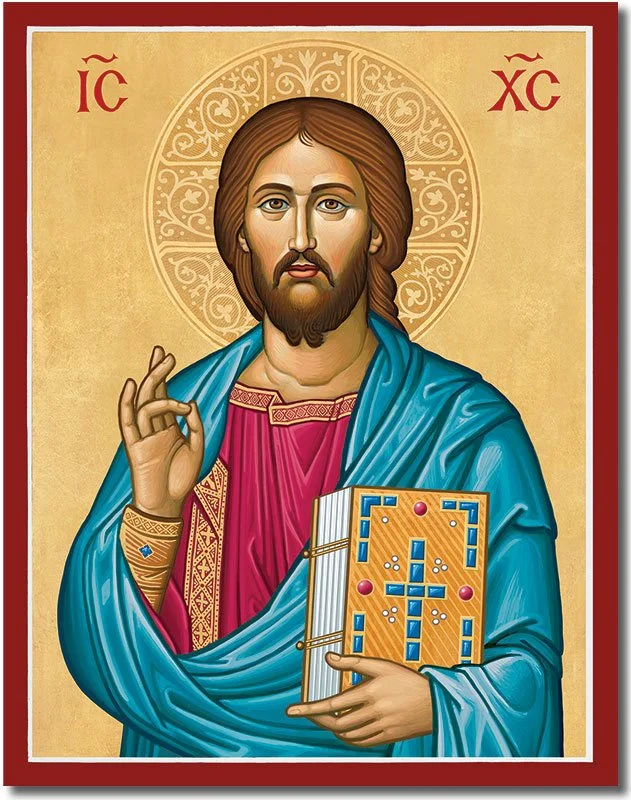
Reasons People Believe Christianity
(Arguments, not established facts)
Philosophical Arguments
Cosmological arguments: God as first cause of the universe
Moral realism: Objective moral values grounded in God
Meaning & purpose: Christianity offers an ultimate explanation for suffering and existence
Historical Claims
Early sources attest to Jesus’ existence and crucifixion
Disciples’ willingness to suffer persecution is taken by believers as evidence of sincerity
Empty tomb narratives and early resurrection creeds (e.g., 1 Corinthians 15)
Personal & Spiritual Experiences
Conversion experiences
Perceived answered prayers
Sense of forgiveness, transformation, or divine presence
Moral & Existential Appeal
Emphasis on grace rather than earned worth
Redemption after failure
Universal human value
Community & Tradition
Strong communal identity
Cultural continuity across generations
Institutional support (charity, education, healthcare)
Reasons People Do Not Believe Christianity
(philosophical, historical, and ethical critiques)
Logical / Philosophical Critiques
Problem of Evil: An all-powerful, all-good God allowing extreme suffering
Trinity: Seen by critics as incoherent or contradictory
Salvation exclusivity: Moral concern over eternal punishment for disbelief
Scientific Objections
Miracles conflict with known physical laws
Creation narratives conflict with evolutionary biology and cosmology
No empirical evidence for supernatural claims
Historical Critiques
Gospels written decades after Jesus’ death
Contradictions between resurrection accounts
Lack of contemporary Roman documentation for miracles
Doctrinal development over time (e.g., divinity of Jesus formalized later)
Moral Criticism
Violence and genocide attributed to God in the Old Testament
Treatment of women, LGBTQ+ individuals, and outsiders in some traditions
Historical abuses by Christian institutions (e.g., Crusades, Inquisition, colonialism)
Internal Inconsistencies
Thousands of denominations claiming incompatible doctrines
Disagreement on core issues (salvation, authority, morality)
Selective biblical interpretation
Common Misconceptions
“Christians all interpret the Bible literally”
Many denominations use metaphorical, historical, or literary interpretations.
“Christianity has always believed the same thing”
Core doctrines developed over centuries through debate and councils.
“Christian morality is unique”
Many ethical principles overlap with secular and other religious moral systems.
Suggested Thread Prompts for Discussion
“Strongest historical argument for the resurrection”
“Best version of the problem of evil”
“Is Christianity internally coherent?”
“Can Christian morality stand without God?”