
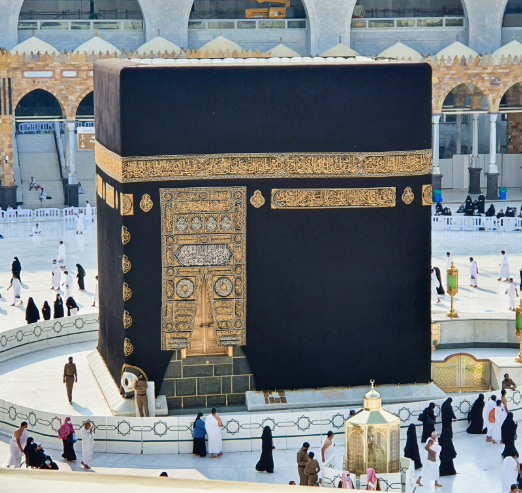
Islam
Founder: Muhammad ibn Abdullah
Time & Place of Origin: 7th century CE, Arabian Peninsula (Mecca and Medina)
Approximate Number of Followers: 1.9 billiion
Core Texts:
Qur’an (considered the literal word of God)
Hadith (sayings and actions attributed to Muhammad)
Core Beliefs (Generalized)
Absolute monotheism (Tawhid)
Muhammad is the final prophet
The Qur’an is God’s final revelation
Angels, prophets, divine decree, afterlife, and judgement exists
Salvation involves faith and obedience to God
* Note: Islam contains significant theological and legal diversity. These beliefs represent broad consensus, not unanimity.
Origin Story
Islam began with Muhammad’s reported revelations from the angel Gabriel around 610 CE. These revelations were later compiled into the Qur’an. Muhammad preached monotheism, moral reform, and submission to God (Islam literally means “submission”).
After early persecution in Mecca, Muhammad and his followers migrated to Medina (the Hijra), where Islam developed into a religious, political, and legal system. Following Muhammad’s death 632 CE, Islam rapidly expanded beyond Arabia.
Major Schisms & Sects
Sunni Islam: Majority tradition; leadership chosen by community consensus
Shia Islam: Leadership traced through Muhammad’s family
Additional schools differ in theology, law and practice
Key Historical Moments
622 CE: Hijra (beginning of Islamic calendar)
632 CE: Death of Muhammad
7th – 8th centuries: Rapid expansion across Middle East, North Africa, and beyond
Formation of major legal schools (madhabs)
Modern period: Colonialism, reform moments, political Islam, globalization
Core Practices
Worship Style
Structured daily prayer (Salat)
Recitation of the Qur’an (often in Arabic)
Mosque-centered communal worship
The Five Pillars of Islam
Shahada: Declaration of faith
Salat: Five daily prayers
Zakat: Mandatory charity
Sawm: Fasting during Ramadan
Hajj: Pilgrimage to Mecca (if able)
Moral / Legal Framework
Ethical guidance derived from Qur’an and Hadith
Islamic law (Sharia) governs moral, ritual, and legal matters
Interpretations vary widely by culture and school
Major Holidays
Ramadan: Month of fasting
Eid al-Fitr: End of Ramadan
Eid al-Adha: Commemoration of Abraham’s obedience
Reasons People Believe Islam
(Arguments, not established facts)
Philosophical Arguments
Radical monotheism: God as singular, incomparable, and sovereign
Simplicity of doctrine: Rejection of intermediaries or divine plurality
Moral accountability: Clear framework of responsibility and judgment
Textual & Historical Claims
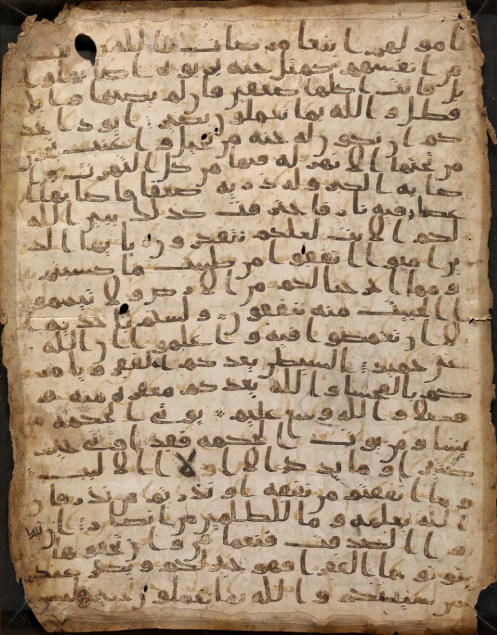
Qur’an viewed as uniquely preserved and consistent
Muhammad’s life documented relatively early compared to earlier prophets
Rapid early spread interpreted by believers as divine favor
Personal & Spiritual Experiences
Sense of discipline and spiritual clarity through ritual prayer
Transformative experiences during Ramadan or pilgrimage
Perceived direct relationship with God without intermediaries
Moral & Existential Appeal
Emphasis on justice, charity, and humility
Balance between personal responsibility and divine mercy
Structured guidance for daily life
Community & Tradition
Strong global identity (Ummah)
Shared practices across cultures
Deep integration of religion with daily life
Reasons People Do Not Believe Islam
(philosophical, historical, and ethical critiques)
Logical / Philosophical Critiques
Divine determinism: Tension between free will and predestination
Infallibility claims: Qur’an presented as perfect, limiting interpretive flexibility
Revelation finality: No mechanism for correction or revision
Scientific Objections
Qur’anic passages interpreted as conflicting with modern science
Miracles and supernatural claims lack empirical evidence
Cosmological and biological descriptions debated
Historical Critiques
Reliance on Hadith compiled generations after Muhammad
Limited external contemporary corroborations of revelations
Political power intertwined with religious authority early on
Moral Criticisms
Treatment of women under certain interpretations
Apostasy and blasphemy laws in some Islamic societies
Violence in scripture, including warfare and punishment narratives
Internal Inconsistencies
Disagreement among legal schools on core practices
Sunni-Shia split over authority
Wide variance between textual ideals and lived realities
Common Misconceptions
“Islam promotes violence”
The majority of Muslims interpret jihad primarily as spiritual or defensive, though militant interpretations exits.
“Islam is culturally uniform”
Practices vary widely across regions, cultures, and traditions.
“The Qur’an has only one interpretation”
Interpretive traditions differ significantly across time and place.
Suggested Thread Prompts for Discussion
“Is the Qur’an uniquely preserved compared to other scriptures?”
“Does Islamic determinism undermine moral responsibility?”
“Strongest moral critique of Sharia law”
“Can Islam adopt to modern pluralistic societies?”