
Judaism
Founder: Traditionally traced to Abraham; Mosaic covenant central
Time & Place of Origin: c. 2000 – 1300 BCE, Ancient Near East (Canaan, Egypt)
Approximate Number of Followers: 15 million
Core Texts:
Tanakh (Hebrew Bible: Torah, Nevi’im, Ketuvim)
Talmud (Rabbinic legal and ethical commentary)
Core Beliefs (Generalized)
God is one, eternal, and indivisible
God entered a covenant with the Jewish people
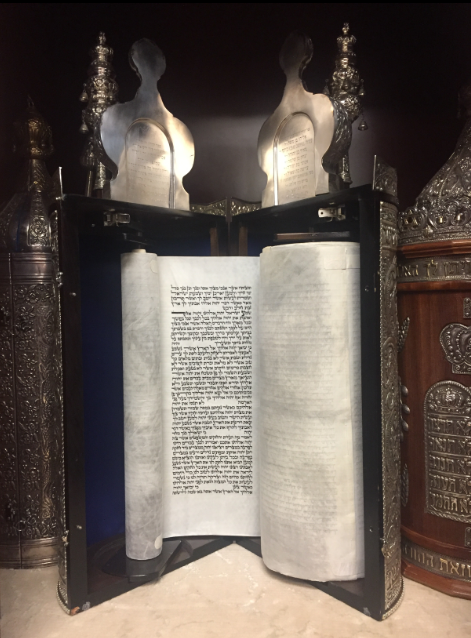
The Torah is divinely revealed and authoritative
Ethical living and obedience to commandments (mitzvot) are central
Emphasis on this world over the afterlife
* Note: Judaism is highly diverse in theology and practice. These beliefs reflect broad themes, not universal agreement.
Origin Story
Judaism traces its origins to the patriarch Abraham, who is said to have entered a covenant with God. This covenant was later expanded through Moses, who received the Torah at Mount Sainai, forming the foundation of Jewish law and identity.
Unlike Christianity and Islam, Judaism developed as an ethno-religious tradition, centered on law, community, and practice rather than universal conversion.
Major Movements & Traditions
Rabbinic Judaism: Developed after the destruction of the Second Temple (70 CE)
Orthodox Judaism: Traditional adherence to Jewish law
Conservative Judaism: Balances tradition and modernity
Reform Judaism: Emphasizes ethics over strict legal observance
Secular / Cultural Judaism: Jewish identity without religious belief
Key Historical Moments
Exodus tradition (c. 13th century BCE)
Babylonian Exile (6th century BCE)
Second Temple period
Destructions of the Second Temple (70 CE)
Diaspora across Europe, Middle East, and North Africa
Holocaust (20th century)
Establishment of the State of Israel (1948)
Core Practices
Worship Style
Synagogue-based prayer
Reading and study of Torah
Emphasis on study and debate (chevruta)
Rituals
Circumcision (Brit Milah): Covenant sign
Bar/Bat Mitzvah: Coming of age
Dietary laws (Kashrut)
Sabbath (Shabbat): Weekly day of rest
Moral / Legal Framework
613 commandments (mitzvot)
Ethical monotheism
Justice, charity (tzedakah), and repair of the world (tikkun olam)
Major Holidays
Passover: Exodus from Egypt
Yom Kippur: Day of Atonement
Rosh Hashanah: Jewish New Year
Hanukkah: Rededication of the Temple
Sukkot: Festival of booths
Reasons People Believe Judaism
(Arguments, not established facts)
Philosophical Arguments
Ethical monotheism: God as the source of moral law
Covenantal model: Meaning through obligation rather than belief
Emphasis on questioning: Doubt and debate seen as strengths
Historical & Cultural Claims
Long continuity of Jewish identity and tradition
Survival despite persecution interpreted as meaningful or providential
Early development of monotheism in a polytheistic world
Personal & Communal Experience
Strong sense of identity and belonging
Intergenerational transmission of values
Rituals reinforcing continuity and memory
Moral & Existential Appeal
Focus on ethical action over doctrine
Meaning rooted in daily life and community
This-worldly responsibility rather than afterlife speculation
Tradition & Continuity
Preservation of language, law, and culture
Shared memory and historical consciousness
Adaptability without total doctrinal collapse
Reasons People Do Not Believe Judaism
(Philosophical, historical, and ethical critiques)
Logical / Philosophical Critiques
Chosen people concept: Viewed by critics as exclusionary
Divine law claims: Difficulty reconciling ancient laws with modern ethics
God’s silence: Limited contemporary revelation
Scientific Objections
Creation narratives conflict with modern cosmology and biology
Miracles lack empirical support
Exodus story lacks strong archaeological confirmation
Historical Critiques
Limited external evidence for early biblical events
Torah likely compiles from multiple sources over time
Development of monotheism may have been gradual, not revealed
Moral Criticisms
Violence attributed to God in scripture
Treatment of outsiders in some legal texts
Gender roles and ritual exclusions under traditional interpretations
Internal Tensions
Wide divergence between Orthodox, Reform, and secular views
Disagreement over authority of law
Tension between ethnic identity and universal ethics
Common Misconceptions
“Judaism is only a religion”
Judaism is also an ethnic, cultural, and historical identity
“Judaism is just Christianity without Jesus
Judaism has its own theology, law, and worldview independent of Christianity
“All Jews believe the same thing”
Belief ranges from strict theism to secular humanism.
Suggested Thread Prompts for Discussion
“Is the Exodus historical or mythological?”
“Does the concept of a chosen people undermine universal ethics?”
“Is Jewish law compatible with modern values?”
“Judaism as belief system vs way of life”